
McHenry County Lookup Evidence
No county database proves where every person lives today. A useful McHenry County resident lookup instead asks what each record can establish. A tax card identifies the assessed owner or taxpayer, while a deed ties named parties to a recorded land instrument. The state voter verifier tests details supplied for one person. A public court docket can connect a name variant to a case, but it may not show a current home. Vital certificates have strict eligibility rules. Business and license records show public affiliations, not residence. The table keeps those limits beside each search route.
| Record | What It Confirms | Where to Search | Access |
|---|---|---|---|
| Property and deeds | Assessed owner, PIN, situs, Mail To address, deed parties | DEVNET and Recorder AVA | Public index; some images or copies cost extra |
| Voter verification | A match to supplied identity and address details | Illinois voter lookup | One-person verification; full file is restricted by purpose |
| Court cases | Party variant, case number, filing dates, docket events, disposition | 22nd Judicial Circuit portal | Public cases; protected case types and fields excluded |
| Vital records | Birth, death, marriage, civil union, or dissolution event | County Clerk, Health Department, IDPH, Circuit Clerk | Eligibility, identification, and product rules apply |
| Business and licenses | Entity role, filing status, license type and public discipline | Illinois SOS, IDFPR, ARDC, County Clerk | Public lookup; address may be a business or agent address |
Start where the clue is strongest. An address points to DEVNET and the Recorder. A legal matter points to the Circuit Clerk. A known profession may justify an IDFPR or ARDC check. Family-history questions can lead to eligible genealogy products, probate files, obituaries, directories, or yearbooks. When two people share a name, compare a middle initial, spouse or parent, age, street, PIN, occupation, and date. One matching name is not enough.
Checking McHenry Court Names
McHenry County forms the single-county 22nd Judicial Circuit. Its official case-information portal is the first remote route, but online access does not mean every case or document is visible. Adoption, juvenile, sealed or expunged, mental-health, and impounded files are excluded. Financial, medical, Social Security, victim, and other personal data may be redacted. Treat a party address or probate listing as a dated case fact, not proof of present residence.
If the portal fails, the Circuit Clerk offers a concrete copy-request route by email or mail and public terminals at the courthouse. Give the case number, party names, document name, and filing date, then choose an ordinary or certified copy. A search without enough identifiers may cost $6. Copy charges are $2 for the first page, $0.50 for the next nineteen pages, and $0.25 for later pages; certification costs $6. Historical court files reach the 1850s, while some original older material is held through IRAD at Northern Illinois University.
A result inventory should preserve case number, caption and party names, case type, filing date, docket entry title and date, next hearing, disposition, and redaction state. A docket is the court's dated event list. It is not a full account of what happened.
Note: Police reports come from the arresting agency, transcripts from the court reporter, and exhibits may not remain in the clerk's file.
McHenry County Custody Records
A custody search must be read with extra care. The McHenry County Sheriff provides the local adult inmate route, while the Illinois Department of Corrections handles the state individual-in-custody search. A booking or charge is not a conviction. Confirm any public court disposition through the Circuit Clerk, and do not republish an old or protected address as a current household fact.
The useful fields are separate: displayed name, booking number and date, charge description, bond amount or type, court date or hold, release date or status, and notes. Each has its own meaning. The official Sheriff route shown below is a starting point, not a verdict.
The Sheriff's official site shows how the county directs people to its custody services.

Follow its current labels and disclaimers, then compare any case number with the public court file.
Verify McHenry County Resident Records
Verification means joining records through stable facts while respecting what each source cannot disclose. DEVNET distinguishes the property's situs, meaning its physical location, from the Mail To address used for tax notices. That difference matters because a trustee, agent, business, or taxpayer elsewhere may receive the bill. A stable parcel identification number can separate same-named taxpayers better than an address alone.
- Normalize the full name, middle initial, suffix, and known former surnames. Record the exact locality and date tied to the clue.
- Search DEVNET by owner name. Compare the PIN, property location, Mail To field, tax year, and transfer clues without assuming the taxpayer occupies the parcel.
- Check the Recorder by party name, PIN, document date, and instrument type. Then test public court records for the same name variants and dates.
- Use an eligible vital product, obituary, probate file, yearbook, license, or business filing for an independent match. Order a certified copy only from its custodian when formal proof is needed.
- Docket
- The chronological list of filings, hearings, orders, and other events in a court case.
- Index vs image
- An index supplies searchable labels about a record. An image displays the document itself and may require a fee or office request.
- Certified copy
- A custodian-issued reproduction bearing formal certification that it matches the office record.
McHenry Vital Record Boundaries
Birth, death, marriage, and civil-union records do not function as an open resident directory. The McHenry County Clerk states that vital records are not public information and are not subject to FOIA. Certified copies go only to eligible applicants with the required identification, relationship, or tangible interest. The Health Department routes county births after January 1, 2010 and deaths after January 1, 2009, while older products may involve the Clerk or Illinois Department of Public Health.
Marriage records begin in 1837, county death records in 1878, and civil unions in 2011. A local genealogy marriage form covers pre-1916 records and marks its copy for genealogy use only. Death genealogy routes apply to deaths more than twenty years old. Illinois law and IDPH product guidance use different windows for some historic records, so identify the exact product and custodian before relying on a date threshold. Divorce is separate: IDPH verifies a dissolution, but a certified decree comes from the Circuit Clerk where it was granted.
Note: County staff will not provide restricted vital information by telephone, and an index hit alone does not prove identity.
McHenry Resident Family Trails
Some searches need a purpose-built route. An heir may appear in a public probate index, an estate instrument, or a reliable death notice, but the relationship should be confirmed in the file. An eligible adopted adult, birth parent, or legal guardian should use the Illinois Adoption Registry and Medical Information Exchange rather than trying to reconstruct a protected address from unrelated records. The Confidential Intermediary Service of Illinois provides the court-controlled alternative.
The Illinois IARMIE program explains the consent-based registry and medical-information route.
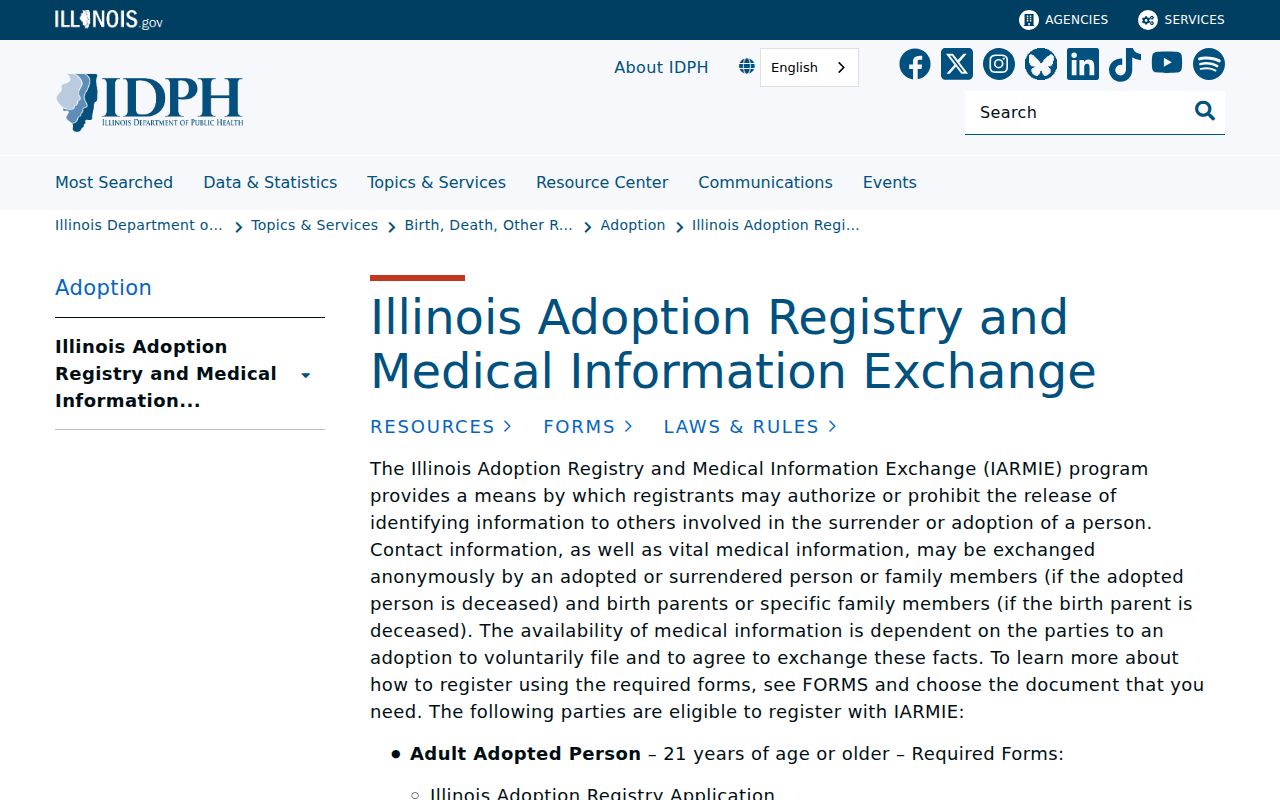
The program is not an open name search, which protects all parties while allowing the exchange authorized by law.
For a former classmate, Woodstock and area yearbooks can establish a school, class, activity, and year. Pair that entry with a later newspaper item, obituary, or public business filing before asserting identity. Woodstock Public Library has a Woodstock High School run beginning in 1909, plus directories and local newspapers. The McHenry County Historical Society handles family, school, cemetery, obituary, and newspaper questions, normally answering research requests in three to five business days.
Confirming McHenry Public Roles
Professional and business records can confirm a public role. They seldom prove a home address. The Illinois Secretary of State entity search supports business name, registered agent, officer, manager, file number, and keyword modes. Read the entity status and filing date. A registered-agent address may belong to an office or service company, while an officer listing may be old.
The IDFPR license lookup offers free searches by name, license number, or business legal name. Published results may include license type, status, issue or expiration data, and discipline fields. Lawyers use the separate ARDC search, and the Illinois notary tool accepts a last name, commission number, city, or ZIP. Local assumed-name and permit files can supply another affiliation, though the exact county search form was not captured.
This image records the official professional-license route used in a McHenry County resident lookup.
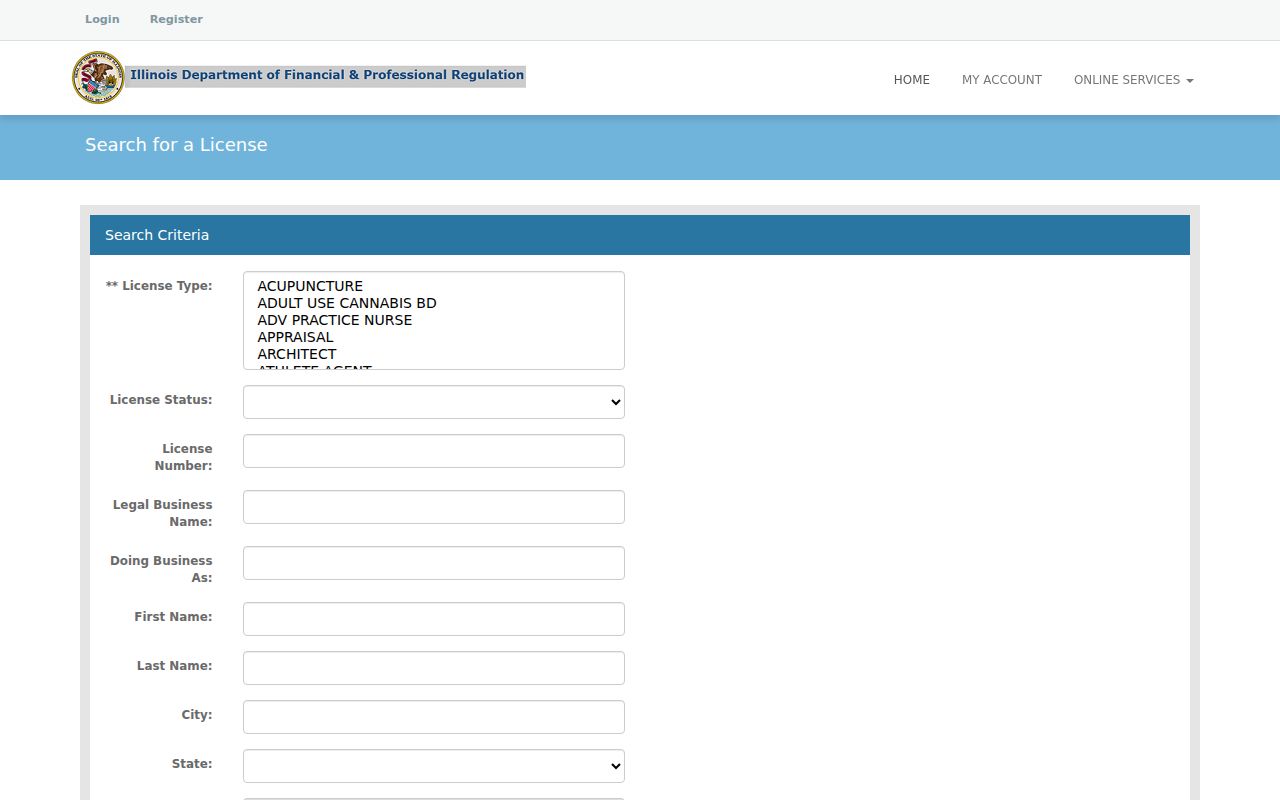
Match the public credential to a second identifier before treating the licensee as the intended person.
When McHenry Searches Fail
A portal failure is not a negative record. Ask the office that keeps the material about its counter, terminal, mail, email, copy, and archive routes. Illinois FOIA permits written requests by mail, email, fax, delivery, or a public body's online channel. Ordinary requests generally receive a response within five business days, with a permitted five-business-day extension. The first fifty black-and-white pages are generally free, then $0.15 per page. FOIA does not open vital certificates, sealed cases, or information made confidential by other law.
Use the County Clerk for its election, filing, and county-board records; the Recorder for instruments; the Circuit Clerk for cases; the municipality for permits and citations; IDPH for state vital products; and IRAD for older government material. Describe the record, date range, names, and format narrowly. If access is denied, the Illinois Attorney General Public Access Counselor handles FOIA questions and review.
The Illinois Department of Corrections provides its own official individual-in-custody services.
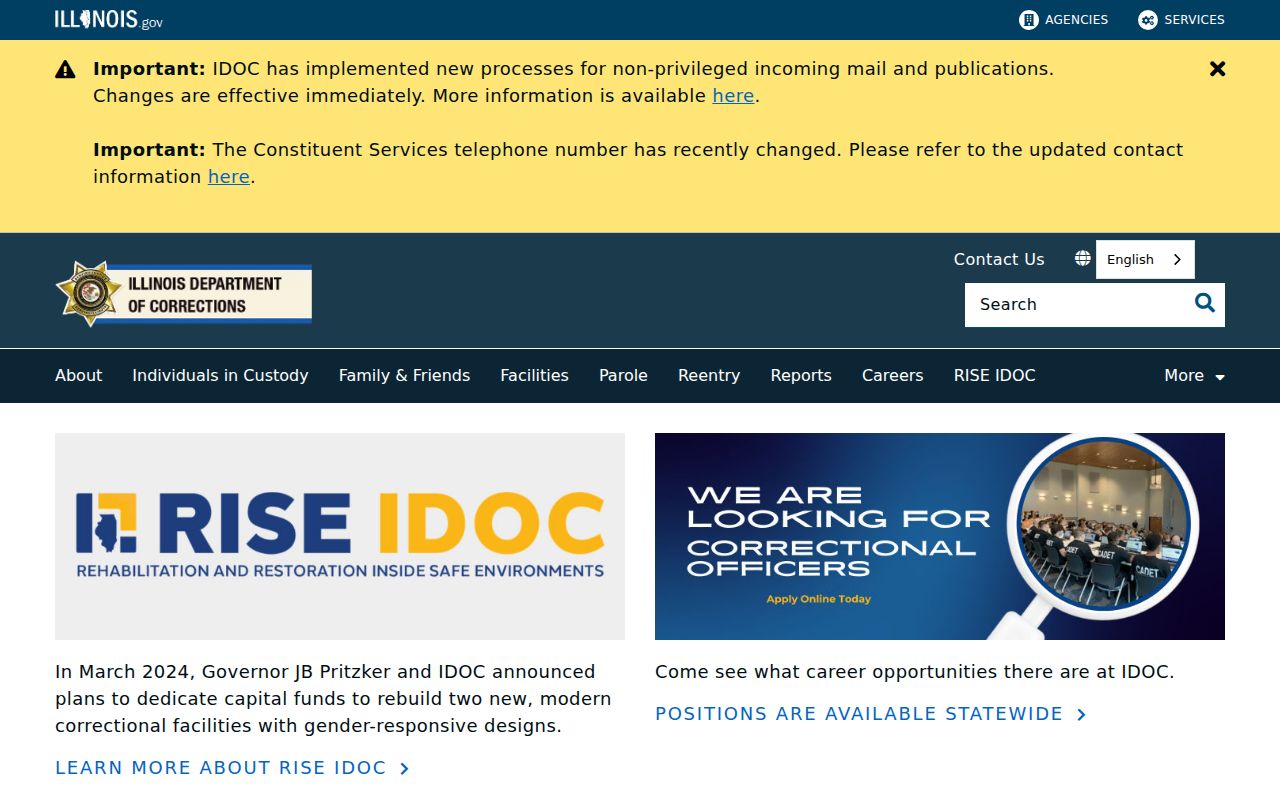
Its result must still be distinguished from a county booking and from a court's final disposition.
McHenry Resident Lookup Limits
Illinois opens records by type, not through blanket permission to assemble a personal dossier. Under 10 ILCS 5/1A-25, public voter data withholds phone numbers, Social Security numbers, street numbers, birth dates, and email addresses. Full voter-file access is limited by purpose. Federal law also restricts motor-vehicle personal information. Utility, delivery, and private membership records are not public resident lists.
The Illinois Address Confidentiality Program under 750 ILCS 61 gives qualifying survivors and household members a substitute address. Protected voter information stays off the public list. A McHenry County resident lookup that omits a real address may be working correctly. Never try to defeat that protection by combining property, map, court, or commercial data. A sealed case or restricted certificate deserves the same restraint.
Lawful use. Use a McHenry County resident lookup only for lawful personal research. Never use a record to stalk, harass, threaten, expose, or intimidate another person.